A good landscape design can make your outdoor space look and feel more inviting. However, figuring out the starting point for your business landscape design project takes work. It can be particularly confusing to those who don’t have experience with a landscape design project. Hence, we have come forward with this guide and will delve deeper into how to start a landscape design project.
Assessing Your Outdoor Space
Thoroughly assessing your front yard or outdoor space is one of the initial critical steps before beginning any landscaping project. Allow sufficient time to closely study and scrutinize many details of your yard or garden. Evaluate the sunlight aspects, soil conditions, existing vegetation, and any possible barriers, including slopes or drainage concerns.
Knowing your space’s natural characteristics and constraints will enable you to make the right choices at the design stage. Reflect on how your area is used now and determine the alterations you can make to improve functionality and beauty without forgetting short- and long-term goals for your outdoor environment.
Selecting the right landscape designer is the key to the success of your landscape design project. It’s essential to find a pro who is competent enough and in line with your view on the project goals. Search for online landscape design designers with established track records, varied portfolios that align with your aesthetic tastes, and happy clients’ testimonials.
Personal recommendations from friends, relatives, business owners, or neighbors are equally useful in your search. Arrange consultations with potential designers to review the project ideas, analyze their approach, communicate style, and establish whether you are confident and comfortable with the designer.
Goals and Objectives for Your Landscape Design Project
Achieving specific and attainable goals and objectives is the basis of the success of your landscape design project. Spend time defining your priorities and preferences and the outcomes you want. Think of what you want to achieve with your outdoor space, whether creating a haven of tranquility for some downtime or boosting curb appeal to raise the value of your property.
Through the articulation of your goals, you benefit your landscape designer by giving him/her direction so the final design reflects your vision. Also, having defined goals lets you stay on track and organized while planning and implementing the basic elements of your landscaping project.
Exploring Landscape Design Ideas
Exploring landscape design ideas opens up creative possibilities and tips for transforming your outdoor space. Start by gathering inspiration from various sources, such as garden magazines, online galleries, botanical gardens, and even neighborhood strolls.
One should consider different styles, themes, shade patterns, plant materials, and elements that resonate with your taste and complement your home’s architecture. Pay attention to features like plant selection, hardscape materials, outdoor structures, and decorative accents. Through the exploration of a wide range of design ideas, you can develop a vision that reflects your personality and enhances the beauty and functionality of your landscape.
Understanding Your Outdoor Space’sSpace’s Potential
Knowing the opportunities your yard has is essential for its aesthetic and practical value. Spend some time assessing your front yard and/or garden’s unique qualities and challenges, such as sunlight exposure, soil quality, drainage patterns, and existing vegetation. Look at how these factors affect your design decisions and the species of plants and features that will grow in your location.
Use the natural features of your landscape, like mature trees, scenic views, or interesting topography, and incorporate them into your design scheme. You can realize your backyard or outdoor space’s potential by designing a landscape in harmony with nature, thus creating a sustainable and enjoyable environment.
Budgeting and Cost Considerations
Budgeting and cost concerns are very important in the landscape design process. Before you start your project, create a realistic budget based on your finances, priorities, and long-term goals. Research the costs of different design components, materials, labor, and ongoing upkeep expenses. Be honest with your landscape designer about your budgetary limitations to align the proposed design with your financial capabilities.
Focus on the most important characteristics and expenditures that provide the greatest pleasure for the buck. Think about staged implementation or choice of alternative materials, choose plants, and design solutions to match your budget without sacrificing quality and aesthetics. Through careful budgeting and planning, you can create a beautiful and functional landscape that will add value to your property while meeting your financial objectives.
The Landscape Design Process
The landscape design involves several key elements to create a well-balanced and visually appealing outdoor space. Professional designers play a crucial role in crafting landscape designs that cater to the target audience’s specific needs and style preferences. Before diving into the design, it’s essential to establish a clear business plan that outlines business goals and identifies the target market.
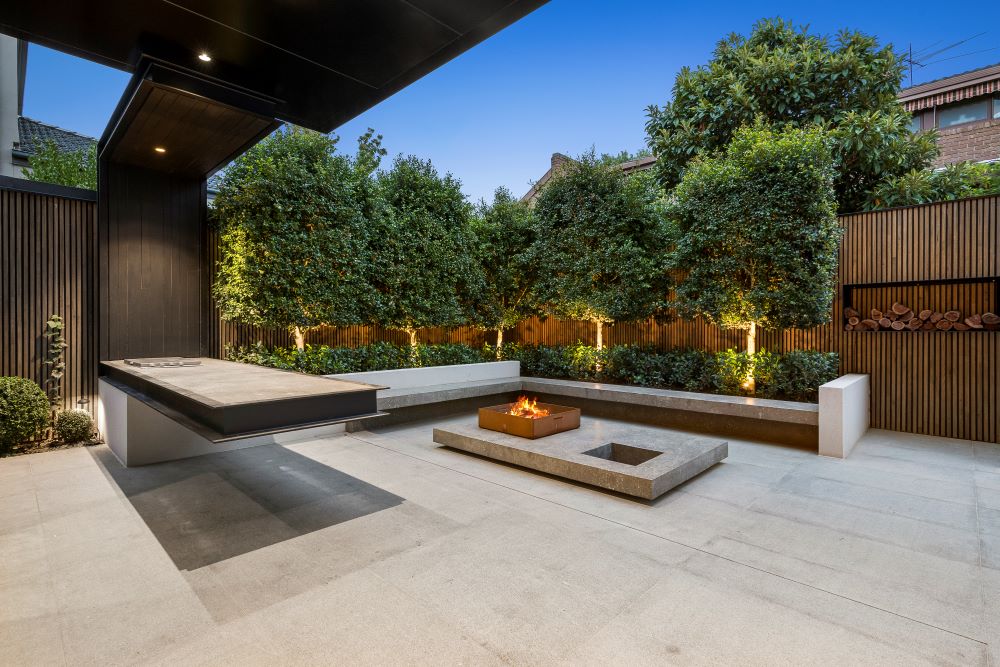
Consider factors like curb appeal and visual weight to create focal points, such as an outdoor kitchen or fire pit, that draw attention and make the house have a positive impact. Choosing native plants and incorporating water features can enhance the overall appeal of the house and garden design. The planting plan should include a variety of plants, trees, and structures, creating a harmonious and structured yard.
Consider the Function of Plants In Landscape Design Project
In landscape design, plants provide more than just beauty; they are integral to creating a balanced and eco-friendly outdoors. The native plants, accustomed to the local climate and the soil conditions, are usually chosen for their resilience and ability to develop with little care.
While choosing plants, considerations of visual weight, height, texture, and seasonal interest are paramount for the whole landscape to have balance and focal points. Trees supply shade, privacy, and vertical interest, while shrubs and groundcovers help to delineate spaces and serve as wildlife habitats. A mixture of plants with different growth patterns and flowers at different times creates year-round interest and diversity in the garden.
In addition, they can also do the following: control soil erosion, noise reduction, and creation of microclimates. Through thoughtful consideration of the role of plants in landscape design, designers can develop outdoor spaces that engage all senses and promote the site and ecosystem’s well-being and sustainability.
What Our Landscape Experts
Clients Say About Us…
We hired Landscape Experts to clean up our yard. They demo’d and hauled away the old tree-house, shed and dead trees, fixed the fence, rearranged the yard furniture, cut, trimmed, and weeded the lawn, plants and flowers and laid down new mulch throughout. Aaron and his crew are very easy to work with and go the extra mile to ensure the job is done right. Aaron provides creative ideas for landscape improvements and was also flexible to implement our ideas. Highly recommented.
Colin E. - Pleasanton, CA
My husband and I purchased a new home that virtually had a dirt pile as a backyard. Aaron helped me to envision the perfect backyard and team kept me in the loop throughout the entire project. Aaron and team were extremely professional and worked quickly. Landscape experts were very easy to work with and the project turned just as I wanted. Job well done and recommendation to friends and family!
Kelly H. - Dublin, CA
There name says it all ! They truly are Experts when it comes to anything regarding your yard . The owner Aaron came out for the initial bid and was very professional and knowledgeable and was the clear choice out of the 3 bids we got . Him and his team were wonderful to deal with from start to finish . Highly recommend Landscape Experts for any project you have ! Keep up the great work guys !
Harold T. | San Ramon, CA
“We contacted Landscape Experts through the Dublin Armstrong Garden Center. Aaron was very prompt in contacting us about our need to have three trees staked. The job was quickly scheduled. HIs crew arrived on time and did a great job. Aaron is very responsive to inquiries and questions. We are now going to have his crew do some fence repair.”
A: Although landscape architects and designers work with outdoor spaces, they differ in their work scope and the qualifications needed. Landscape designers usually work on home landscaping projects and may have training in horticulture, garden design, and landscape principles.
In contrast, the landscape architect deals with larger-scale projects, including parks, precincts, campuses, and urban planning. They frequently have a landscape architecture degree and are also licensed to practice, enabling most businesses to work on projects that include grading, drainage, and site planning.
A: Yes, there are several free apps available for designing landscapes. Some popular options include iScape, Home Outside, and Garden Planner.
Transform Your Space With Landscape Experts
At Landscape Experts, we pride ourselves on our team of dedicated landscape experts ready to transform your outdoor space. Our experts bring years of experience and a keen eye for design to every project they undertake.
Let us turn your vision into reality. Contact us today to schedule a consultation with our landscape experts and take the first step toward your plan for transforming your outdoor space!
A little landscape area blends form, function, and attention to detail. The arrangement should be carefully considered to maximize space. Consider the placement and flow...
A drought may harm your landscape area in several ways. Water becomes scarce during a drought, which might harm your landscaping. Water is essential for...
One of the first things guests or potential purchasers see when they approach a house is landscaping. A well-planned and maintained landscape improves a property’s...
A picture or image mainly using one color or a small number of complementary colors is called a monochromatic landscape. Instead of emphasizing vivid or...
Designing a landscape for entertaining guests requires careful planning and consideration. From creating inviting seating areas to incorporating elements of beauty and functionality, a well-designed...